
Women Veterans Advocacy Project
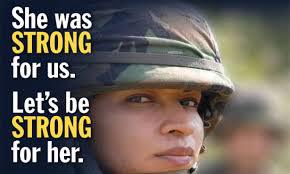
DAV’s extensive study Women Veterans: The Long Journey Home uncovered gaps in health care, transition services, disability compensation, employment and housing for the nation’s nearly 2.4 million women veterans. The number of women veterans continues to steadily rise, and the VA has fallen behind in providing the unique, gender-specific care required by this growing population. In their report, DAV cites 27 specific policy recommendations to help improve the care, services, and programs provided to women veterans. The recommendations cover the broad range of transition needs of women veterans in culture change, health care, disability compensation, family and community support, education, transition assistance, employment, housing, and in efforts to treat the devastating effects of Military Sexual Trauma (MST) and to prevent sexual assault.
Women veterans deserve an integrated approach to address their transition needs, and the culture, values, and services of the federal systems should be supporting them in a successful transition home. The report urges Congress, Federal, and State agencies and community partners to re-evaluate existing programs and services and make necessary changes to ensure they are tailored to meet the needs of all veterans, including women. Congress should provide the necessary resources to meet this goal and should furnish continuing oversight of programs and services to ensure the unique transition needs of women veterans are being fully met.
DAVs Issue Brief on Women Veterans 2015
The Situation: Women are a significant force in the U.S. Military, making up 20% of new recruits, 15% on active duty, and 18% of the National Guard and Reserve Forces. The number of women using VA health care services has increased by 80%, and the VA has struggled to provide consistent access to the full range of gender-specific benefits and services to meet their needs.
The Challenge: Gaps in federal services exist for women across the current federal programs including healthcare, mental health, homeless services, housing options, employment opportunities and community support services. Existing programs are not sensitive to the needs of women veterans or equal in performance and outcomes compared to those offered to male veterans.
The Solution: Congress and the VA should support the recommendations in DAV's report - Women Veterans: The Long Journey Home. Gaps in federal programs must be evaluated and appropriately modified to ensure they meet the unique needs of women veterans and promote successful transition to civilian life. Congress should conduct oversight, hold hearings, and provide necessary resources to improve programs and services for women service members and veterans. Congress should enact S. 471, the Women Veterans Access to Quality Care Act, introduced by Senator Heller and Murray.

Women Veterans: The Long Journey Home presents the most comprehensive assessment conducted to date of the policies and programs at the Departments of Veterans Affairs, Defense, Labor and Housing and Urban Development. The report was authored by Frances M. Murphy, MD, MPH, former VA deputy under secretary for health, the highest career official in the Veterans Health Administration, and the first woman, and first woman veteran, to hold this position. Dr. Sherry Hans, PhD, former deputy chief ethics officer at the VA and a past health policy advisor at the U.S. Department of Health and Human Services, co-authored the study.
women-veterans-study.pdf
Adobe Acrobat document [2.5 MB]
 Print
Sitemap
Print
Sitemap
© DAV- Healthcare SIGs Welcome to the "unofficial" Disabled American Veterans Organization (DAV) informational website. This site is for educational purposes only and has been created as part of a Graduate Level Nursing Policy Class. Please visit www.dav.org for official information on the Disabled American Veterans Organization.
